10 From Rips to Leaks: Troubleshooting Tent Issues Like a Pro
Introduction
Whether you're an avid camper or just an occasional outdoor enthusiast, dealing with tent issues can put a damper on your camping experience. From unexpected rips to pesky leaks, knowing how to troubleshoot common tent problems can save you time, money, and frustration. In this guide, we'll cover 10 tips to help you tackle tent issues like a pro.
1. Patching Rips and Tears
One of the most common tent issues is dealing with rips and tears. To patch up these problems, you can use a tent repair kit that includes adhesive patches or seam sealer. Make sure to clean the area around the rip, apply the patch according to the instructions, and allow it to dry completely before using the tent again.
2. Fixing Broken Zippers
Broken zippers can be a major headache when it comes to tent maintenance. If your tent zipper is stuck or broken, try lubricating it with a silicone-based lubricant. If that doesn't work, you may need to replace the zipper entirely. Make sure to choose a high-quality replacement zipper that matches the size and style of your tent.
3. Sealing Leaky Seams
Leaky seams can lead to a wet and uncomfortable camping experience. To seal leaky seams, use a seam sealer that is specifically designed for tents. Simply apply the sealer along the seams of your tent and let it dry completely before using the tent again. This will help prevent water from seeping through and keep you dry during your outdoor adventures.
People Also Look For:
- ADERTOS RV Awning Repair Tape - Reinforced Fiberglass, Waterproof Canvas for Awnings, Tarp, Tent, Sail, Canopy, Boat Cover - Tear ...
- RV Awning Repair Tape 39ft x 3.1in Waterproof Tent Repair Tape Heavy Duty Tarp Repair Tape Fiberglass Repair Kit Canvas Patch Repa...
- 3Pcs Canvas Repair Patch, 8×12 Inch Canvas Repair Tape, Waterproof Self-Adhesive Fabric Repair Patch for Tents, Boat Cover, Po...
- YOUDALIS Nylon Repair Patches,Self Adhesive Waterproof Tent Repair Patch,Nylon Tape for Down Jacket Tent Clothes Bag and Outerwear...
- F Fityle Seam Sealing Tape, Fusible Tape Waterproof Tent Repair Seams Tape Sealer for Raincoat Tent PU Coated Seam Repair Sportswe...
4. Reinforcing Tent Poles
Tent poles can become weak or damaged over time, especially if they're exposed to harsh weather conditions. To reinforce tent poles, you can use splints or repair sleeves that are designed to provide extra support. Make sure to follow the instructions carefully when using these reinforcements to ensure that your tent poles are sturdy and secure.
5. Dealing with Mold and Mildew
Mold and mildew can quickly ruin a tent if not properly addressed. To deal with these issues, mix a solution of water and mild soap, then scrub the affected areas with a brush. Rinse the tent thoroughly and allow it to dry completely before storing it. You can also use a commercial tent cleaner or mold remover for more stubborn mold and mildew stains.
6. Repairing Tent Fabrics
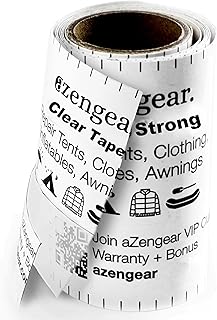
If your tent fabrics are torn or damaged, you can repair them using a fabric repair patch or tape. Make sure to clean the area around the tear, apply the patch or tape according to the instructions, and allow it to set properly before using the tent again. This will help extend the life of your tent and prevent further damage to the fabric.
7. Preventing Condensation Build-Up
Condensation build-up inside your tent can lead to dampness and discomfort. To prevent condensation, make sure to ventilate your tent properly by keeping windows and vents open. You can also use a dehumidifier or moisture-absorbing products to help reduce humidity levels inside the tent. Avoid cooking or drying wet clothes inside the tent, as this can contribute to condensation issues.
8. Securing Tent Stakes
Tent stakes are essential for keeping your tent stable and secure in windy conditions. To prevent tent stakes from coming loose, make sure to hammer them into the ground at a 45-degree angle and use a stake mallet for added force. You can also use guy lines or additional stakes to reinforce the stability of your tent in windy weather.
9. Cleaning and Maintaining Tent Zippers
Regular cleaning and maintenance of tent zippers can help prevent them from getting stuck or damaged. To clean tent zippers, use a soft brush to remove dirt and debris, then lubricate them with a silicone-based lubricant to keep them running smoothly. Avoid using harsh chemicals or excessive force when operating tent zippers to prevent unnecessary wear and tear.
10. Proper Storage and Care
Proper storage and care of your tent can help prolong its lifespan and keep it in good condition for future camping trips. Make sure to clean and dry your tent thoroughly before storing it in a cool, dry place. Avoid storing your tent in direct sunlight or damp areas, as this can lead to mold, mildew, and fabric deterioration. Consider using a tent storage bag or container to keep your tent protected when not in use.